Summary collection

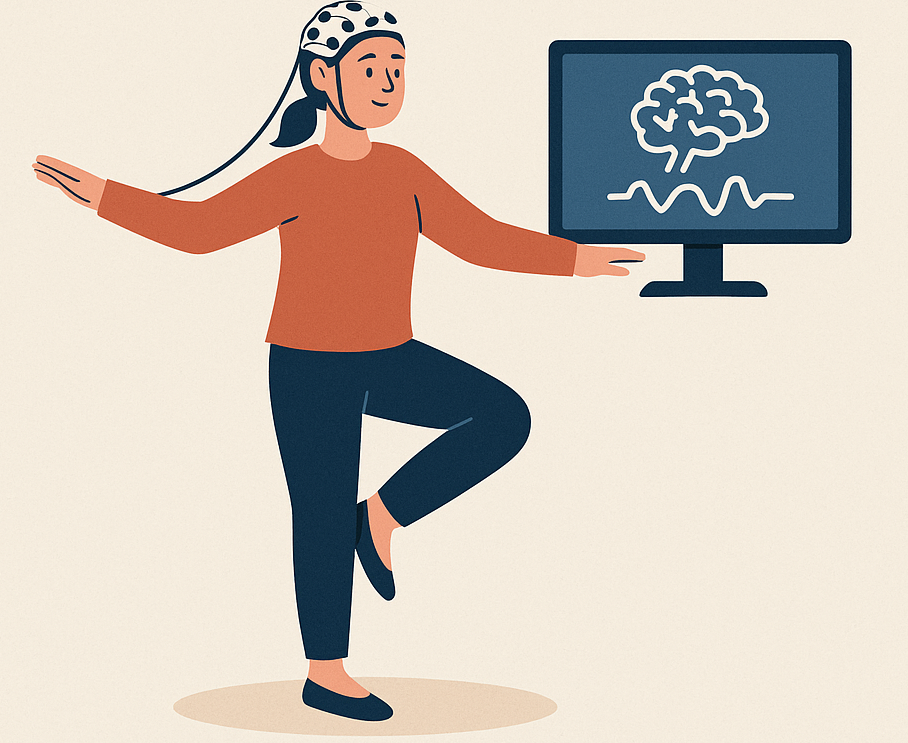
Cover image for Im Gleichgewicht: Wie das Gehirn Denken und Bewegung zugleich steuert - Keeping Balance: How the Brain Manages Thinking and Moving at the Same Time
NeuroscienceLara Papin

Im Gleichgewicht: Wie das Gehirn Denken und Bewegung zugleich steuert - Keeping Balance: How the Brain Manages Thinking and Moving at the Same Time

Brain activity while maintaining balance.

BalanceBrainEEGMovement
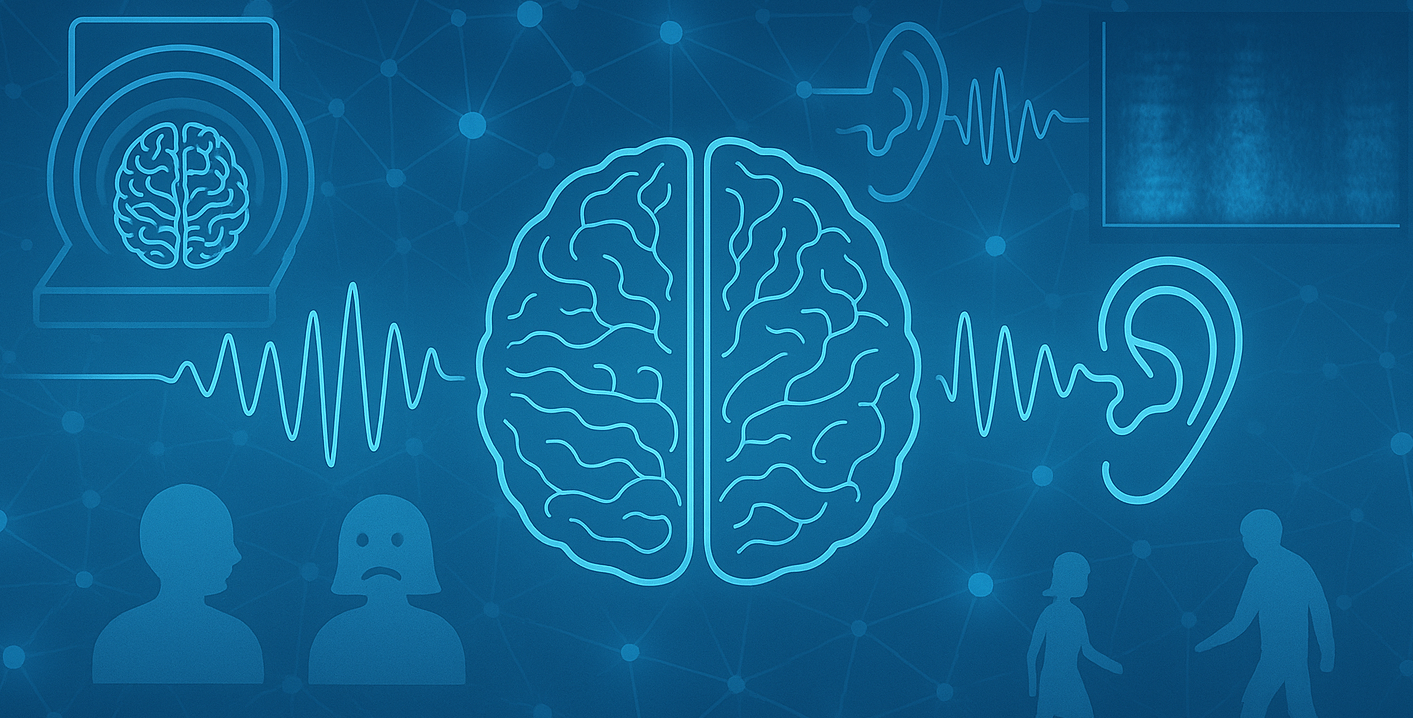
Cover image for Pieptöne auf den Straßen - Beeps to Streets
NeuroscienceSilvia Korte

Pieptöne auf den Straßen - Beeps to Streets

Research about how our brain processes everyday sound.
AttentionEEGReal-world sound
Cover image for StÀrkere Verbindungen im Tinnitus-Gehirn - Stronger brain connections within the tinnitus brain
NeuroscienceStephanie Rosemann

StÀrkere Verbindungen im Tinnitus-Gehirn - Stronger brain connections within the tinnitus brain

Research on brain connections within the tinnitus brain.
TinnitusMRIFiber density
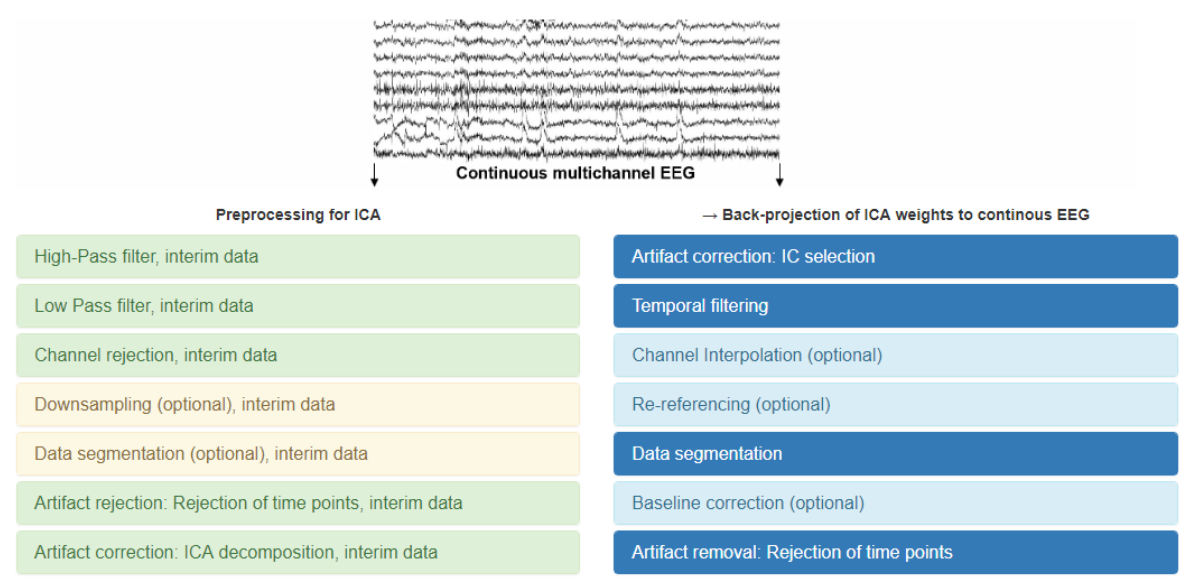
Cover image for Wie wir Gehirnströme beim Gehen untersuchen: Eine Übersicht ĂŒber die Bereinigung von EEG-Daten - How We Study Brainwaves While Walking: A Review of EEG Data Cleaning
NeuroscienceNadine Jacobsen

Wie wir Gehirnströme beim Gehen untersuchen: Eine Übersicht ĂŒber die Bereinigung von EEG-Daten - How We Study Brainwaves While Walking: A Review of EEG Data Cleaning

Measuring brain activity while walking.
EEGMovementWalking
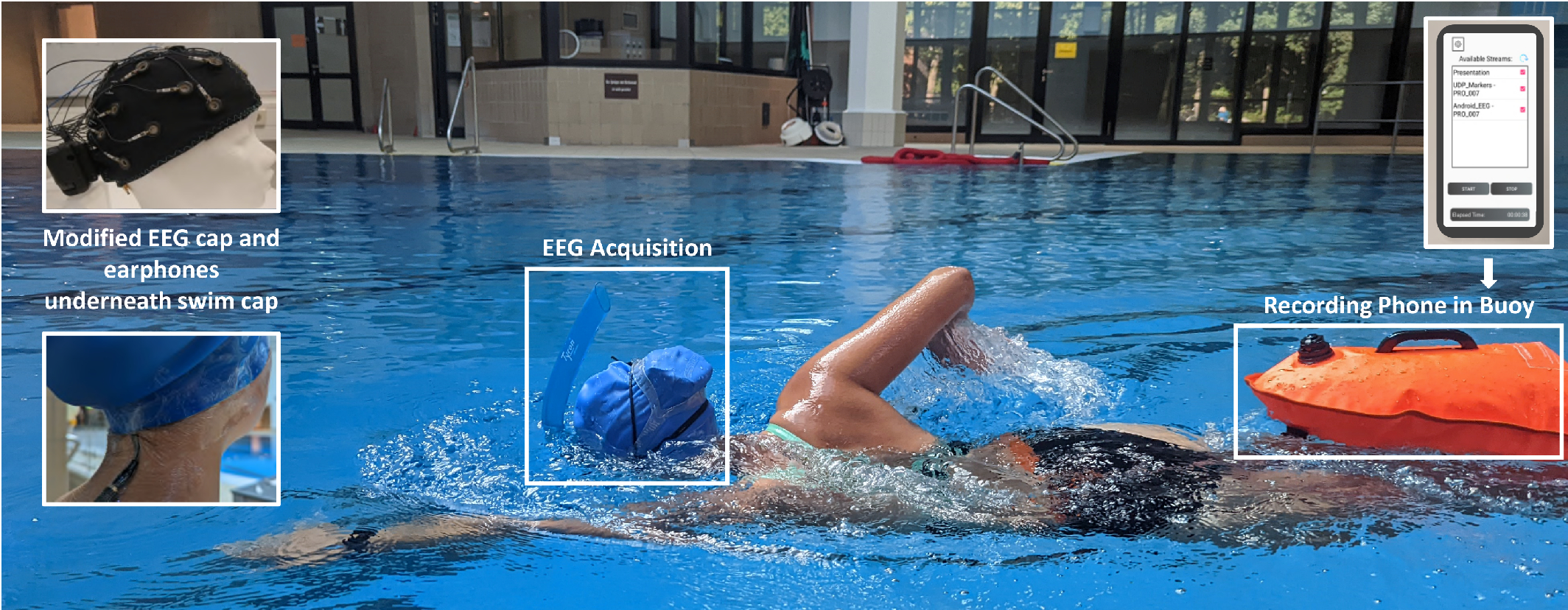
Cover image for Mobiles EEG beim Schwimmen - Feasibility of Measuring Brain Activity with Mobile EEG During Swimming
NeuroscienceMelanie Klapprott & Stefan Debener

Mobiles EEG beim Schwimmen - Feasibility of Measuring Brain Activity with Mobile EEG During Swimming

This study examines whether mobile EEG can reliably measure brain activity during swimming.

Mobile EEGSwimmingN100P300Dual-tasking
Cover image for Sprache und ihre Rolle fĂŒr die Replizierbarkeit - Let’s talk about language—and its role for replicability
NeuroscienceXenia Schmalz, Johannes Breuer, Mario Haim, Andrea Hildebrandt, Philipp Knöpfle, Anna Yi Leung, Timo Roettger

Sprache und ihre Rolle fĂŒr die Replizierbarkeit - Let’s talk about language—and its role for replicability

This study looks at the reproducibility crisis in science by highlighting a surprisingly overlooked factor, language.
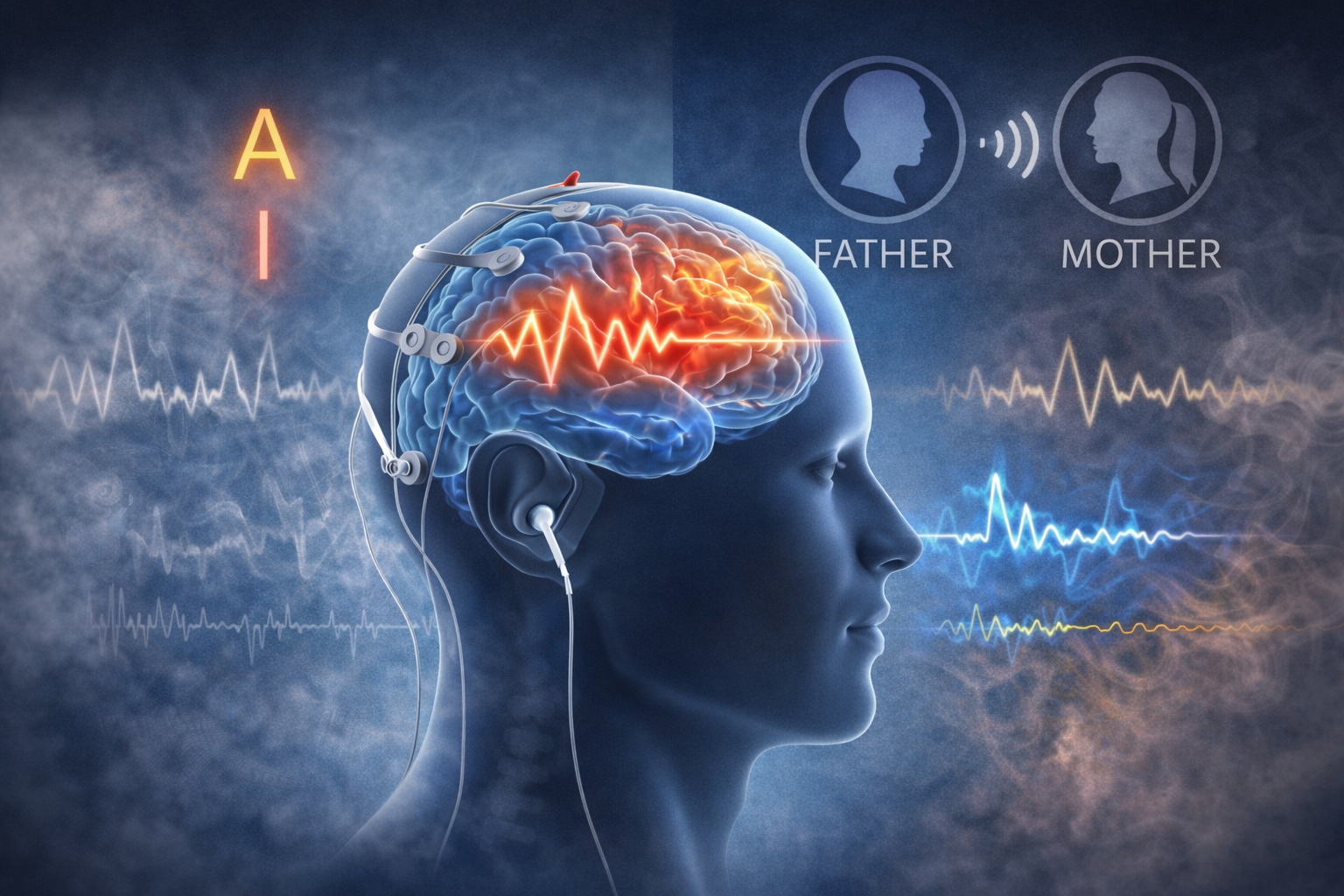
LanguageReplicabilityTransparencyCross-linguisticResearch methods
Cover image for Wie das Gehirn zuhört: Sensorische und kognitive Belastungen verstehen - How the Brain Listens: Understanding Sensory and Cognitive Loads
NeuroscienceBrilliant, Y. Yaar-Soffer, C.S. Herrmann, Y. Henkin, A. Kral

Wie das Gehirn zuhört: Sensorische und kognitive Belastungen verstehen - How the Brain Listens: Understanding Sensory and Cognitive Loads

Study of how the brain handles different types of listening challenges using EEG.
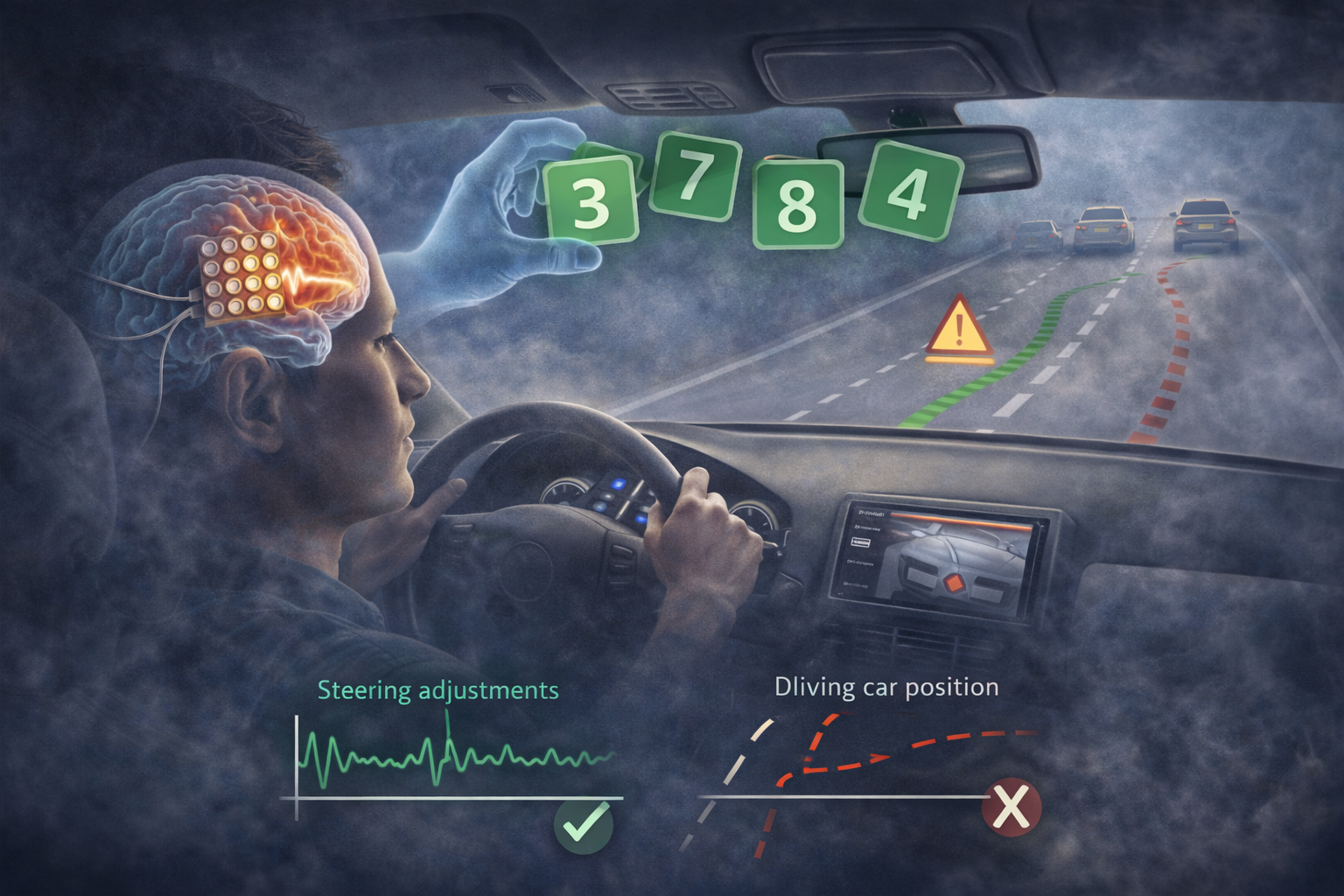
Time-frequency analysisEEGStroop taskSpeech processingNeural oscillations
Cover image for Multitasking beim Autofahren: Zentraler Engpass oder Interferenz von ProblemzustÀnden? - Multitasking While Driving: Central Bottleneck or Problem State Interference?
NeuroscienceMoritz Held, Jochem W Rieger, Jelmer P Borst

Multitasking beim Autofahren: Zentraler Engpass oder Interferenz von ProblemzustÀnden? - Multitasking While Driving: Central Bottleneck or Problem State Interference?

Study on how the brain struggles to juggle attention and memory while driving and why mental overload can affect driving performance.
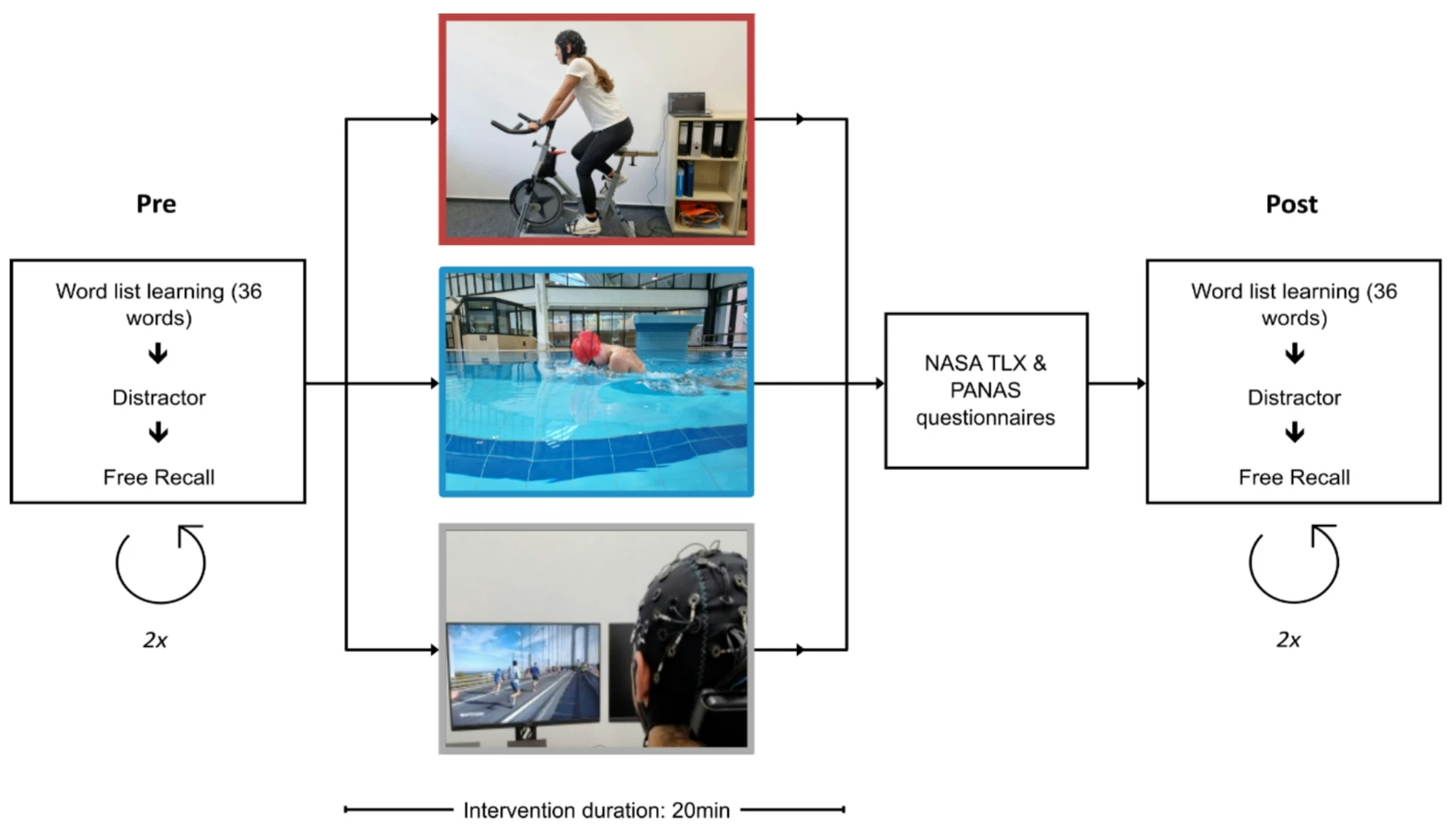
Cognitive modelingHuman Computer InteractionDriver behaviorMental workload
Cover image for Schwimmen, Radfahren, Sitzen: Auswirkungen akuter körperlicher AktivitÀt auf GedÀchtnis und inhibitorische Kontrolle - Swim, bike, sit: Effects of Acute Exercise on Memory and Inhibitory Control
NeuroscienceMelanie Klapprott, Stefan Debener

Schwimmen, Radfahren, Sitzen: Auswirkungen akuter körperlicher AktivitÀt auf GedÀchtnis und inhibitorische Kontrolle - Swim, bike, sit: Effects of Acute Exercise on Memory and Inhibitory Control

A short session of cycling may help people remember information better and feel less mentally tired, while swimming may affect the brain in ways that are not immediately visible in behaviour.
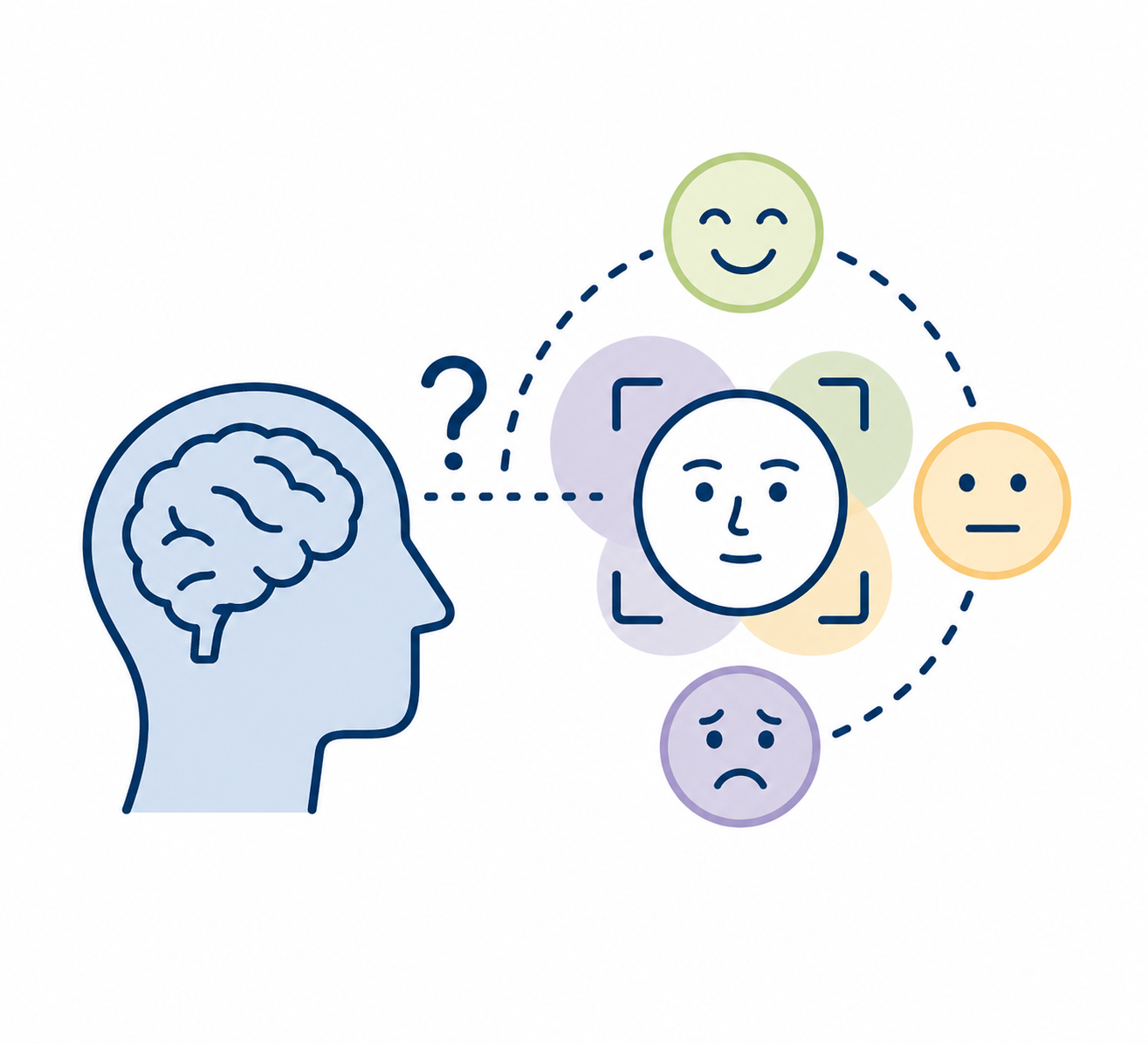
EEGMemoryInhibitory control
Cover image for Selektive BeeintrĂ€chtigung der Ärgererkennung bei leichter kognitiver BeeintrĂ€chtigung (LKB): Die Rolle der Gesichtsverarbeitung und der emotionalen Intelligenz - Selective Impairment in Anger Recognition in MCI: The Role of Face Processing and Emotional Intelligence
NeuroscienceRachana Mahadevan, Naomi Kristin Giesers, Thomas Liman, Karsten Witt, Andrea Hildebrandt, Mandy Roheger

Selektive BeeintrĂ€chtigung der Ärgererkennung bei leichter kognitiver BeeintrĂ€chtigung (LKB): Die Rolle der Gesichtsverarbeitung und der emotionalen Intelligenz - Selective Impairment in Anger Recognition in MCI: The Role of Face Processing and Emotional Intelligence

This study investigates facial emotion recognition in patients with mild cognitive impairment (MCI), focusing on the roles of face processing ability, emotional intelligence, and cognitive domains. Using behavioral tasks and self-report measures, the study examines whether deficits in emotion recognition are associated with perceptual processing and socio-emotional factors

Mild Cognitive ImpairmentEmotion recognitionFace processingEmotional intelligenceSocial cognition
Wie der Verlust von Dopamin die Kommunikation im Gehirn bei Parkinson verĂ€ndert - How Dopamine Loss Changes Brain Communication in Parkinson’s Disease
Neurowissenschaften AmirHussein Abdolalizadeh et al.

Studie darĂŒber, wie der Verlust von Dopamin die AktivitĂ€t funktioneller Hirnnetzwerke bei Parkinson verĂ€ndert - How Dopamine Loss Changes Brain Communication in Parkinson’s Disease

Study on how dopamine loss changes brain network activity in Parkinson’s disease.

Parkinson’s diseasedopaminebrain networkscognitionfMRI